Blog
Insights and guides on automated crypto lending
Auto-Renew handles redeployment, FRR is a floating-rate mechanism, and a third-party bot manages operations according to settings. They address different tasks rather than being interchangeable products.
First identify whether lending is blocked at connection, submission or matching. Each needs a different fix; repeatedly recreating keys does not solve weak borrowing demand.
Displayed APR is not take-home return. Establish whether rates and interest are gross or net, then include actual capital utilization and subscription costs.
Lending interest comes from borrowers; staking rewards come from consensus participation. Earning more tokens does not guarantee a positive dollar return.
A credible report identifies its sample, period, costs and capital movements. This guide explains verification; it does not claim a complete monthly dataset or publish unverified customer results.
An eligible account starts its 14-day Basic trial when the first lending API key is saved. Registration, connection testing and bot activation are different events.
Stopping a bot, cancelling an offer, receiving repayment and withdrawing are separate events. Completing one does not establish that the remaining steps are complete.
A dashboard can show market rates, active-loan APR and credited interest together. They answer different questions; the largest number is not automatically the account’s return.
LendPace’s OKX integration uses Read and Trade API permissions. Trade is a broader permission group and must not be described as technically restricted to lending.
Compare product mechanics, costs, assets and exits together. Headline APRs observed at different times do not establish a ranking of realized net returns.

Confirm access to Crypto Lending Pro before connecting KuCoin. LendPace’s integration currently supports USDT and requires three API credentials.

KuCoin Crypto Lending Pro matches pool liquidity with borrowers. Flexible subscription and redemption should not be confused with a fixed-maturity deposit.

KuCoin and Bitfinex differ in matching, withdrawal conditions and supported assets. Neither can guarantee the highest net return across all periods.
This is a hypothetical calculation, not a customer performance report. Holding other inputs constant isolates utilization; neither the rates nor utilization figures are forecasts.
Funding-rate analysis starts by separating offers, fills and credited interest. This guide explains how to compare observable data without treating quotes as account returns.

A displayed APR is only one part of lending. The most useful checks concern execution, costs and when capital becomes available again.
Compare income sources, custody and exit conditions before comparing APR. Products with different costs and risks cannot be fairly ranked by their headline rate alone.
Exchange and DeFi lending can both earn interest, but differ in control, exit conditions and risk. Compare all costs over the same period without assuming either always pays more.
LendPace does not hold your assets, but exchange lending is not the same as holding your own private keys. Separate the tool, exchange and wallet roles to understand control.
High Yield and Quick Fill make different trade-offs between quotes and execution. Start with when you may need the money and how much waiting you can accept.
USD, USDT and XAUt differ in asset exposure as well as interest rates. Choose a common measurement currency and observation period before comparing results.

Lending income comes with exchange, borrower, liquidity and asset-price risks. Automation can reduce repetitive work, but it cannot remove these exposures.

Bot status, actual lending and withdrawable exchange balances are different things. This FAQ explains the checks that matter when starting and managing an account.
Automation reduces repetitive monitoring and offer management. Whether it improves net returns depends on the baseline, market demand, costs and actual fills, not a fixed return multiplier.

Choose a plan by lending capacity and the number of exchanges you need, then evaluate its cost. A more expensive plan does not guarantee a higher realized return.
Bitfinex lending needs balance and history reads as well as funding operations. Enabling only Margin Funding may leave connection checks or interest records unavailable.
Bitfinex margin funding matches lenders with borrowers. Interest depends on actual borrowing; placing an offer does not itself generate lending income.

A qualifying payment through a referral link extends the referrer’s paid subscription by 14 days. The new-user trial is a separate benefit with different eligibility.
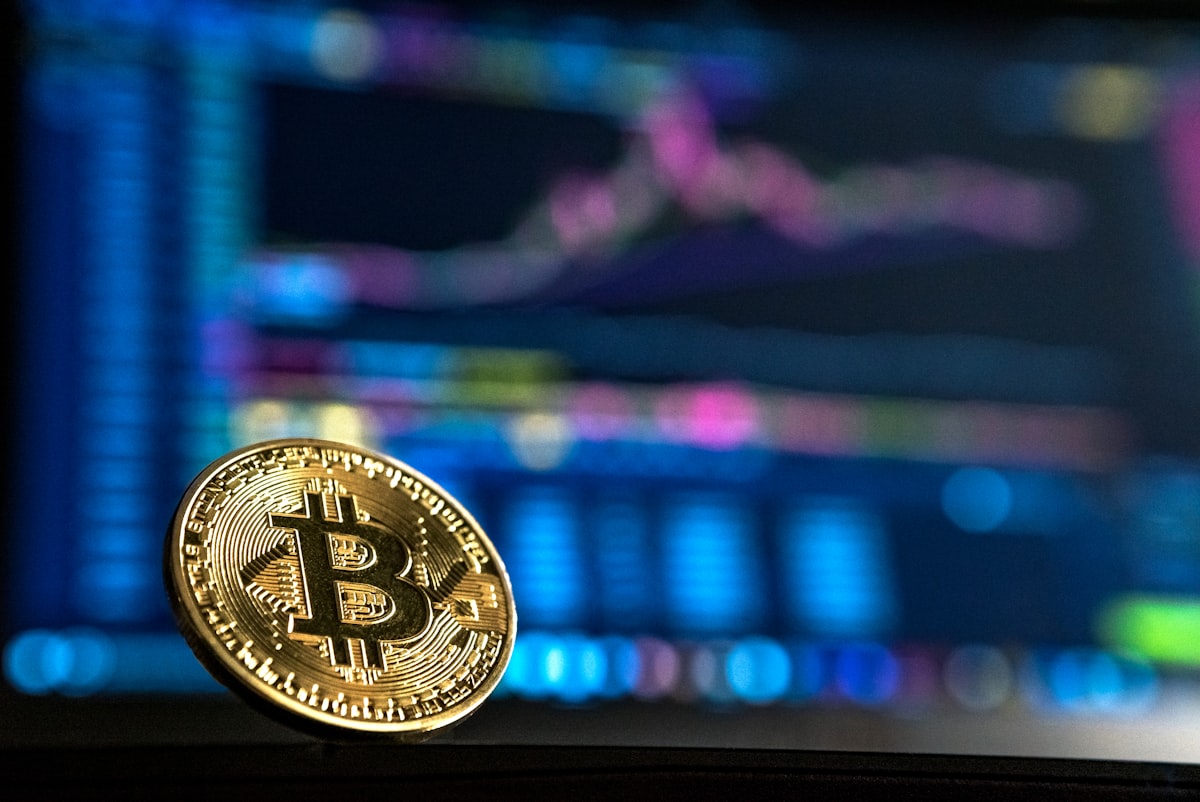
XAUt lending adds borrower interest to a gold-backed token position. Total results still depend on gold prices, issuer terms, exchange risk and liquidity.
Currencies, exchange connections and subscription limits are separate layers. Confirm the asset is supported before arranging funds or starting a lending bot.
Start with an eligible exchange account, connect a dedicated API key, then start lending explicitly. Saving a key starts an eligible account’s trial; it does not start the bot.
IBRR is LendPace’s lending quote engine. It uses market information and strategy settings to manage offers; it cannot create borrowing demand or know future returns.
